
Today, 20 May 2026, marks the 80th birthday of Cher, one of the most commercially durable and culturally recognisable artists in modern entertainment history. Across music, film, television and fashion, Cher has remained visible for more than six decades, building a career that stretches from 1960s folk-pop through disco, rock, dance music and modern electronic pop.
Very few artists survive multiple cultural shifts. Fewer still actively shape them. Cher’s career has done both.
She remains one of only two artists, alongside The Rolling Stones, to score a Billboard No. 1 in seven consecutive decades, from the 1960s through the 2020s.
From Sonny & Cher to solo superstardom
Cher first broke through in 1965 as one half of Sonny & Cher alongside Sonny Bono. Their breakthrough single, “I Got You Babe,” reached No. 1 on the Billboard Hot 100 in August 1965 and became one of the defining pop songs of the decade.
But Cher’s solo career quickly proved she was far more than one half of a duo.
“Bang Bang (My Baby Shot Me Down)” established her as a solo force in 1966, while the early 1970s transformed her into one of the biggest stars in American entertainment. “Gypsys, Tramps & Thieves,” “Half-Breed,” and “Dark Lady” all reached No. 1 on the Billboard Hot 100 between 1971 and 1974.
At the same time, The Sonny & Cher Comedy Hour became one of the most watched television shows in the United States, turning Cher into a full-scale pop culture figure rather than simply a recording artist.
The 1980s reinvention changed everything
By the early 1980s, many assumed Cher’s chart career had peaked. Instead, she rebuilt it entirely.
Her acting career accelerated first. Performances in Silkwood, Mask, The Witches of Eastwick and Moonstruck established her as a serious screen actor, with Moonstruck earning her the Academy Award for Best Actress in 1988.
Then came the music comeback.
“If I Could Turn Back Time” became one of the defining singles of 1989, helped by its controversial USS Missouri music video and a vocal style that embraced arena rock production without losing Cher’s unmistakable tone.
That era also cemented her image as an artist who understood reinvention better than almost anyone in pop music.
Believe changed late-1990s pop music
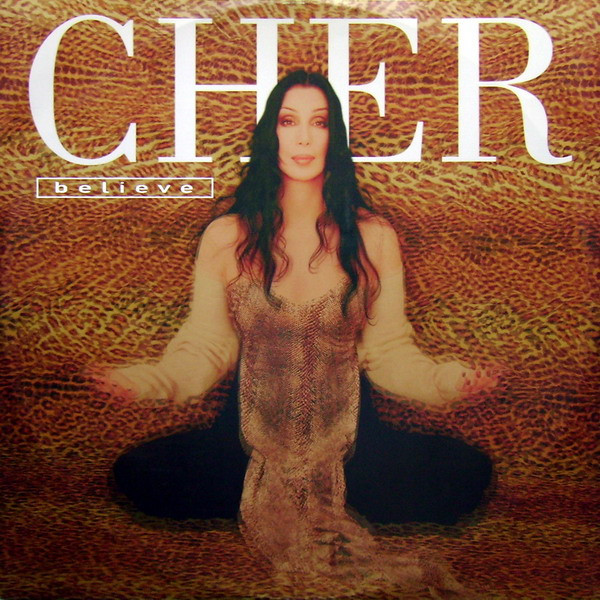
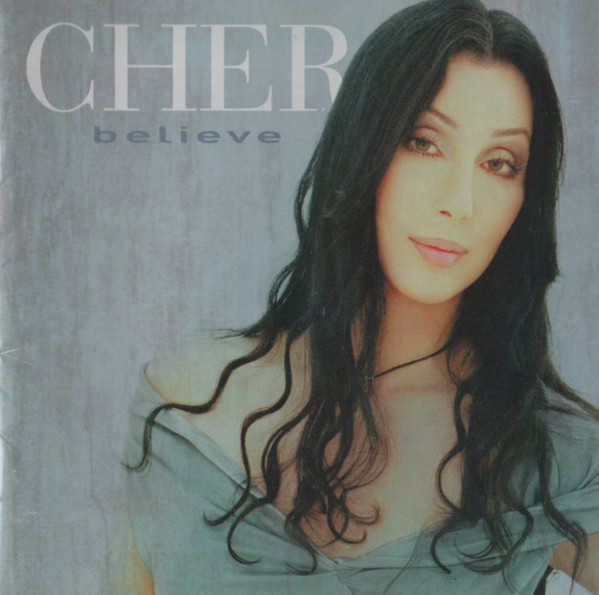
In 1998, Cher released Believe, the single that would redefine her career yet again.
The track topped charts in more than 20 countries, sold over 10 million copies worldwide, and became one of the best-selling singles in music history. In the UK, it spent seven weeks at No. 1 and became the country’s best-selling single of 1998.
More importantly, “Believe” mainstreamed the vocal Auto-Tune effect that would later dominate modern pop, hip-hop and electronic music.
Cher was not the first artist to use pitch correction creatively, but “Believe” was the moment the sound exploded globally. Its influence can still be heard across contemporary pop production.
“Do you believe in life after love?”
That line became one of the most recognisable hooks of the late 1990s.
The numbers behind Cher’s longevity are almost unmatched
Cher’s chart history remains extraordinary because it spans radically different eras of music consumption, from vinyl singles and network television through to streaming and TikTok-era discovery.
On the Billboard Hot 100, she has achieved:
- 5 No. 1 singles
- 17 top-10 singles
- 32 top-40 singles
- 52 charting singles overall
Her solo Hot 100 top-10 span stretches more than 33 years, from “Bang Bang” in 1966 to “Believe” in 1999.
In the UK, she became the only solo artist to achieve top-40 hits across seven consecutive decades. She also holds the record as the oldest female artist to score a UK top-40 hit.
Then, in 2023, “DJ Play a Christmas Song” reached No. 1 on Billboard’s Dance/Electronic Digital Song Sales chart, extending her chart-topping streak into a seventh decade.
No other solo female artist has maintained that level of chart presence across so many eras.
Fashion, camp and cultural permanence
Cher’s influence extends far beyond records and awards.
Her collaborations with costume designer Bob Mackie helped define some of the most recognisable stage and television looks in entertainment history. Long before social media turned celebrity fashion into constant spectacle, Cher understood visual branding instinctively.
She also became one of pop culture’s defining camp icons, embraced by LGBTQ+ audiences for decades through music, humour, theatricality and resilience.
Unlike many legacy artists, Cher has never seemed overly interested in preserving nostalgia carefully. Her career has often moved unpredictably, from disco to hard rock to dance-pop to ABBA covers.
That unpredictability is partly why her catalogue still feels alive rather than archived.
At 80, Cher remains culturally active
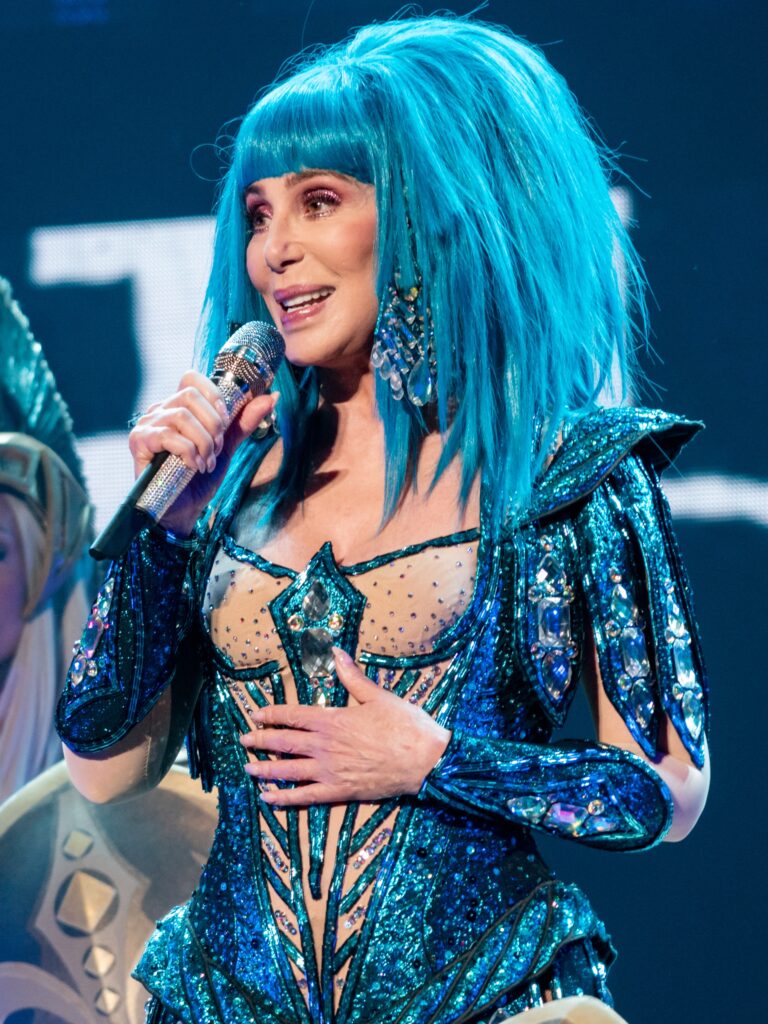
Even in recent years, Cher has continued releasing music, touring selectively, publishing memoir material and maintaining a highly visible public presence.
Few artists remain culturally relevant at 80. Fewer still can claim genuine chart relevance across seven decades.
Cher’s career ultimately resists neat categorisation because it was never built around one era, one genre or one audience. She adapted repeatedly without becoming unrecognisable.
That balance is rare in popular music history.
| Studio albums | 27 |
|---|---|
| Soundtrack albums | 4 |
| Live albums | 3 |
| Compilation albums | 11 |
| Video albums | 5 |
| Singles | 80 |
|---|---|
| Promotional singles | 28 |
| Other appearances | 36 |