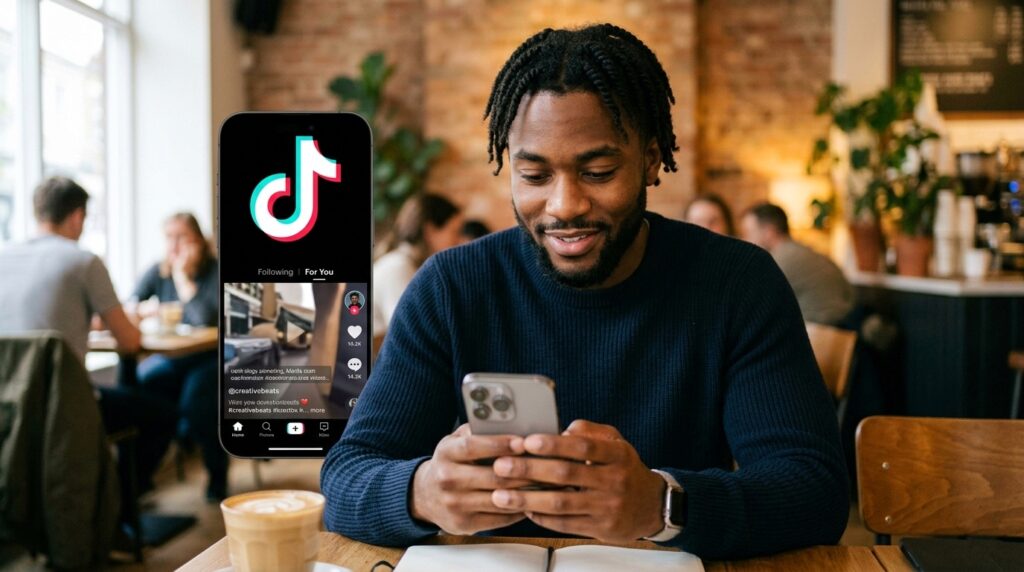
A new report from The Harris Poll suggests that members of Generation Z are showing early signs of fatigue with TikTok, as concerns about privacy, advertising and influencer culture reshape the platform’s user experience in the United States.
The study found that Gen Z still relies heavily on TikTok for cultural discovery, using the app nearly twice as much as YouTube, the second most popular platform among the demographic. However, the research also indicates that loyalty to the short form video app may be weakening as the platform becomes more commercial and politically scrutinised.
Nostalgia for TikTok’s early years
According to the survey, 79 percent of Gen Z TikTok users say they miss the early days of the platform, before a surge in brand partnerships and the rollout of TikTok Shop.
Many respondents pointed to commercialisation as the main reason for their frustration.
Around 41 percent said they preferred the platform when it featured fewer ads and brand promotions, while 34 percent said content once felt more relatable and unfiltered. Another 33 percent said they miss the period before TikTok Shop launched, and 27 percent said they would prefer less influencer culture on the platform.
The report concluded that younger users appear to be particularly sensitive to the shift toward monetisation.
“Gen Z resents TikTok’s commercialization more than any other generation,” the report said, adding that the backlash against TikTok Shop and the erosion of niche communities appear to affect younger users most strongly.
Rising privacy concerns among Gen Z users
Privacy concerns are also growing following political scrutiny of TikTok in the United States and ongoing debate around its parent company ByteDance.
The study found that 74 percent of Gen Z users now think more carefully about who they interact with on the platform, while 60 percent say they trust TikTok less than they previously did.
More than half of respondents believe the platform has become more restrictive in how content is moderated.
Over 50 percent of those surveyed said they think TikTok is more censored than it was a year ago, while 64 percent said recent ownership developments made them more aware of how their personal data is used.
About 28 percent of users who were aware of the ownership changes said they were now more concerned about free speech on the platform.
Users say content feels more staged and commercial
The research also highlighted a shift in how Gen Z users perceive the content appearing in their feeds.
Nearly three quarters of respondents said videos now feel more staged and performative, while more than half described TikTok as more commercial than it was a year ago.
TikTok’s recommendation system, long praised for its accuracy, is also facing criticism from users.
According to the survey, 33 percent of Gen Z users say they now have to actively “train” the algorithm to keep their feed relevant.
Creators posting less frequently
The study suggests the shift is not limited to viewers. Content creators are also adjusting their behaviour.
Nearly half of Gen Z creators surveyed said they are posting less frequently or moving their focus to other platforms, and roughly one third of users said they had noticed creators becoming less active on TikTok.
Libby Rodney, chief strategy officer at The Harris Poll, said the findings point to a subtle but important shift in how young audiences relate to the platform.
“Gen Z still shows up to TikTok every day, but they’re showing up skeptical, exhausted and nostalgic.”
“That’s not loyalty — that’s habit. And habits break.”