From Cairo’s twentieth-century golden era to today’s global streaming charts, female vocalists, producers, and songwriters have continuously reshaped the sound and cultural footprint of Arabic music. This guide traces the movement through its defining pioneers and modern innovators across Egypt, Lebanon, Syria, Algeria, Palestine, the UAE, and Saudi Arabia.
Table of Contents
Toggle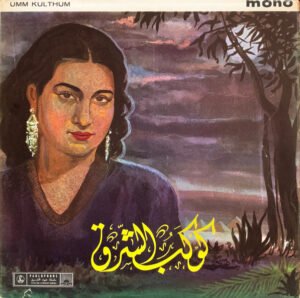
🏛️ The Golden Age Pioneers
| Artist | Lifespan (Birth–Death) | Years Active | Country / Origin | Key Legacy |
| Umm Kulthum | 1898/1904 – 1975 | 1920s–1973 | Egypt | “Star of the East”, classical tarab icon |
| Asmahan | 1912 – 1944 | 1931–1944 | Syria / Egypt | Vocal virtuoso and cinematic star |
| Layla Murad | 1918 – 1995 | 1934–1963 | Egypt | Golden-era superstar of Egyptian cinema |
| Fairuz | 1934/1935 – Present | 1950–Present | Lebanon | Iconic voice of Lebanon and the Levant |
| Shadia | 1931 – 2017 | 1947–1984 | Egypt | Beloved actress and patriotic music icon |
| Dalida | 1933 – 1987 | 1954–1987 | Egypt / France | Global disco and pop legend with multilingual hits |
| Warda al-Jazairia | 1939 – 2012 | 1951–2012 | Algeria / Egypt | Pan-Arab diva famed for classical power ballads |
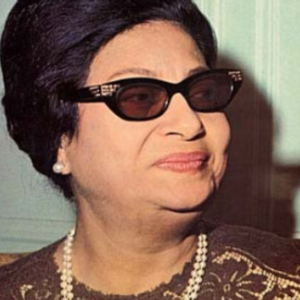
Um Kulthum (Egypt)
Born in rural Egypt between 1898 and 1904, Um Kulthum rose to become the most influential vocalist in the Arab world. Known as “Kawkab al-Sharq” (The Star of the East), her monthly live radio concerts broadcast from Cairo drew tens of millions of listeners across the Middle East and North Africa. Her deep contralto range and mastery of Arabic poetry set the gold standard for classical tarab music.
essential tracks: “Enta Omri”, “Al Atlal”, “Seret El Hob”
key milestones: She elevated classical Arabic poetry into mainstream culture. Following her death in 1975, over four million mourners gathered for her funeral procession in Cairo, making it one of the largest public gatherings in history.
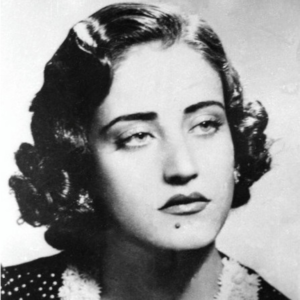
Asmahan (Syria)
Born Amal al-Atrash, Asmahan was a Syrian Druze singer and actress who merged Levantine vocal styles with Western orchestral arrangements. Performing alongside her brother, composer and musician Farid al-Atrash, her career was cut short when she died in a car accident in 1944.
essential tracks: “Ya Tuyur”, “Layta Lilbara”, “Ya Dirati”
key milestones: She introduced complex European vocal phrasing into traditional Arabic melodic structures and starred in landmark Egyptian musical films during the 1930s and 1940s.
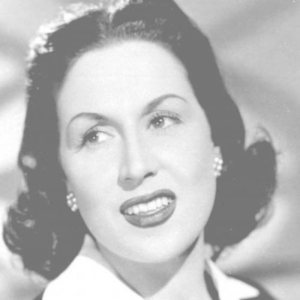
Layla Murad (Egypt)
Born to an Egyptian-Jewish family in Cairo, Layla Murad became one of the primary figures of Egypt’s mid-century cinematic golden age. She starred in more than 20 musical films, frequently collaborating with director Anwar Wagdi.
essential tracks: “Ana Albi Dalili”, “El Hob Gameel”, “Leila Men El Layali”
key milestones: She converted to Islam in 1947 and established herself as one of the highest-earning cinematic stars in the region, bridging classical tarab vocal traditions with theatrical film scores.
Fairuz (Lebanon)
Born Nouhad Haddad in Beirut in 1934, Fairuz partnered with the Rahbani Brothers (Assi and Mansour Rahbani) to establish the modern musical identity of Lebanon. Her catalog remains a staple of morning radio programming across the Arab world.
essential tracks: “Kan Enna Tahoun”, “Zahrat Al Mada’en”, “Li Beirut”
key milestones: Her recordings became a symbol of national unity during and after the Lebanese Civil War. She maintained a strict approach to live performance, treating concert appearances as spiritual events.
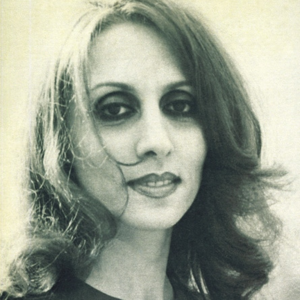
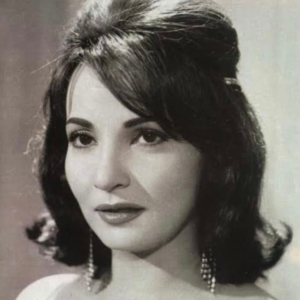
Shadia (Egypt)
Shadia built a multi-decade career in Egyptian cinema and pop music, balancing romantic, comedic, and patriotic compositions. She retired from public life in the mid-1980s with one of the largest catalogs in the region.
essential tracks: “Ya Habibti Ya Masr”, “Ajibni”, “Qalbi Falak”
key milestones: She recorded more than 400 songs and starred in over 70 feature films, developing a conversational vocal delivery that helped transition Egyptian music into the modern pop era.
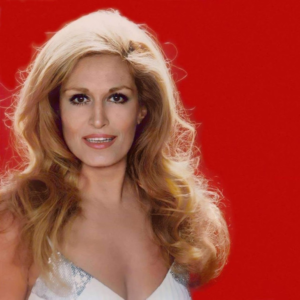
Dalida (Egypt/France)
Born Iolanda Cristina Gigliotti in Cairo to Italian parents, Dalida won Miss Egypt in 1954 before relocating to France to pursue a global music career. She recorded material in French, Arabic, Italian, and multiple other languages, incorporating Mediterranean instrumentation into European disco and pop.
essential tracks: “Helwa Ya Baladi”, “Salma Ya Salama”, “Ahsan Nass”
key milestones: She sold tens of millions of records globally and recorded “Helwa Ya Baladi”, which remains a widely recognized ode to Cairo.
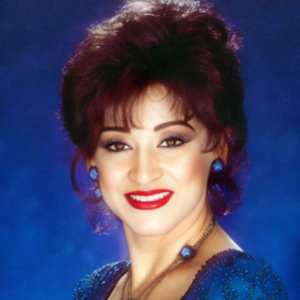
Warda Al-Jazairia (Algeria/Egypt)
Warda al-Jazairia began her career performing in Paris clubs before relocating to Cairo to record with legendary composer Mohamed Abdel Wahab. Singing in both Algerian and Egyptian dialects, her repertoire became a focal point for pan-Arab identity in the mid-to-late twentieth century.
essential tracks: “Batwannis Beek”, “Harramt Ahebak”, “Ya Mrayti”
key milestones: After spending years away from the stage, she returned to Algeria to perform for national celebrations, establishing a production blueprint that influenced generations of Arab pop vocalists.
🎤 Modern & Pop Superstars
| Artist | Birth Year | Years Active | Country / Origin | Genre / Style |
| Najwa Karam | 1966 | 1985–Present | Lebanon | “Sun of Song”, traditional Levantine mawwal |
| Ahlam Al Shamsi | 1969 | 1995–Present | UAE | “Queen of Gulf Music”, Khaleeji pop powerhouse |
| Nancy Ajram | 1983 | 1998–Present | Lebanon | “Queen of Arab Pop”, 2000s streaming icon |
| Myriam Fares | 1983 | 2003–Present | Lebanon | “Queen of the Stage”, dance-pop and R&B fusion |
| Aseel Omran | 1989 | 2007–Present | Saudi Arabia | Contemporary Khaleeji pop and media star |
| Dalia Mubarak | 1991 | 2014–Present | Saudi Arabia | R&B-influenced modern Khaleeji pop |
| Shamma Hamdan | 1994 | 2012–Present | UAE | Acoustic pop guitarist and Khaleeji singer |
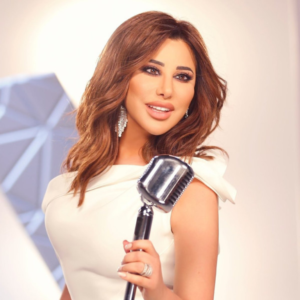
Najwa Karam (Lebanon)
Najwa Karam emerged in the late 1980s, earning the title “The Sun of Lebanese Song” for her decision to perform exclusively in the Lebanese dialect. She has sold millions of records across the MENA region, driven by folk-inspired rhythms and powerful vocal projection.
essential tracks: “Maghroumeh”, “Hayda Haki”, “Kibir El Achek”
key milestones: She brought traditional Mawwal vocal techniques into contemporary charts and served as a judge on Arabs Got Talent beginning with its inaugural seasons.
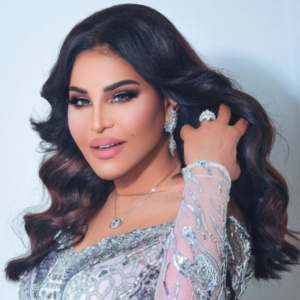
Ahlam (UAE)
Ahlam Al Shamsi is a central figure in Khaleeji pop music, rising to prominence in the mid-1990s. Her career is defined by theatrical stage productions, rich arrangements, and continuous television visibility across the Gulf.
essential tracks: “Aala Kafushi”, “Tabi Fik”, “Ela Men Ak”
key milestones: She expanded the commercial footprint of Gulf pop across the wider Arab world and served as a high-profile judge on Arab Idol, The Voice: Ahla Sawt, and Saudi Idol.
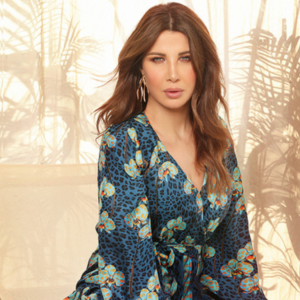
Nancy Ajram (Lebanon)
Nancy Ajram reshaped modern Middle Eastern pop music in the early 2000s through music video production, digital distribution, and chart-topping releases.
essential tracks: “Ah W Noss”, “Yay”, “Ma Tegi Hena”
key milestones: She crossed 100 million digital streams on global platforms early in the streaming transition and was appointed a UNICEF Goodwill Ambassador for the region in 2009.
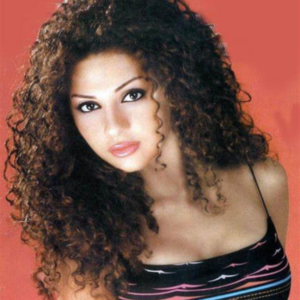
Myriam Fares (Lebanon)
Myriam Fares introduced high-energy choreography and modern production elements into Arabic pop and R&B during the mid-2000s.
essential tracks: “Ana Wel Shoq”, “Nifsi Aoulhalak”, “Ghmorni”
key milestones: She became one of the few Arab pop artists to design and choreograph her own stadium performances, later partnering with streaming services for exclusive concert documentaries.
Aseel Omran (Saudi Arabia)
Aseel Omran emerged as one of the early female Saudi pop figures to gain regional visibility, releasing albums through Rotana before expanding into acting and broadcast media.
essential tracks: “Feelings”, “Baladna”, “Tobaa”
key milestones: She helped open pathways for female artists within the Gulf’s commercial entertainment industry, collaborating with both regional and international producers.
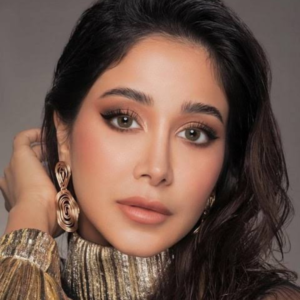
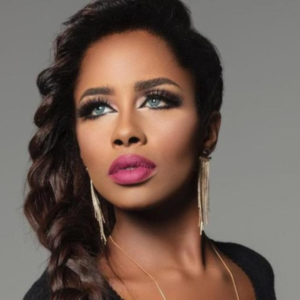
Dalia Mubarak (Saudi Arabia)
Dalia Mubarak is one of Saudi Arabia’s prominent contemporary pop performers, modernizing Khaleeji melodies with R&B arrangements.
essential tracks: “Men Ent”, “Fariqna Khalas”, “Ya Sadik”
key milestones: Her debut singles achieved top positions on regional streaming charts, and she regularly headlines major cultural events and international concerts representing Saudi contemporary music.
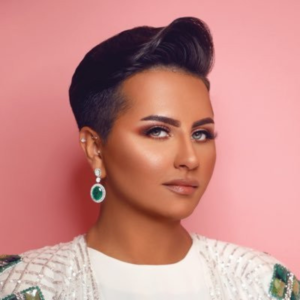
Shamma Hamdan (UAE)
Singer-songwriter and multi-instrumentalist Shamma Hamdan came to national prominence as the first Emirati female finalist on Arabs Got Talent in 2012.
essential tracks: “Ma Takhaf”, “Ah Ya Helw”, “Mayenfa”
key milestones: She broke traditional performance norms in the Gulf by playing guitar live on stage, blending acoustic pop structures with traditional Khaleeji rhythms.
🎧 Contemporary, Underground & Diaspora Trailblazers
| Artist | Birth Year | Years Active | Country / Origin | Genre / Style |
| Felukah | 1998 | 2018–Present | Egypt / USA | Bilingual neo-soul, hip-hop, and spoken word |
| Cosmicat | 1991 | 2018–Present | Saudi Arabia | Pioneer of the Saudi electronic/house music movement |
| Intibint | ~1996 | 2020–Present | Yemen / UK | Acoustic R&B and Arab percussion fusion |
| Myriam Shehab | ~1995 | 2018–Present | Lebanon | Beirut underground electronic sound designer |
| Eliz Murad | ~1994 | 2018–Present | Lebanon | Avant-pop, minimalist bilingual electronic music |
| Elyanna | 2002 | 2019–Present | Palestine / USA | Arabic pop-Latin fusion, historic Coachella performer |
Felukah (Egypt/USA)
Sara El Messiry, known professionally as Felukah, is an Egyptian hip-hop and neo-soul artist based between Cairo and New York. Holding a background in creative writing, she writes bilingual lyrics addressing identity, womanhood, and diaspora experiences.
essential tracks: “22+”, “Yesterday’s News”, “Neighborhood”
key milestones: She has gained critical coverage across international music media as a leading figure in the Arab alternative hip-hop scene.
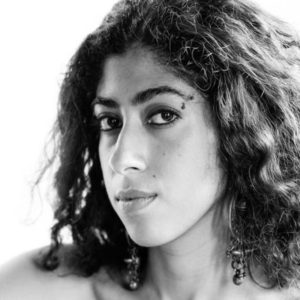
Cosmicat (Saudi Arabia)
Nouf Sufyan, known professionally as Cosmicat, is a pioneering Saudi electronic music producer and DJ. Formerly a dental student, she transitioned to music full-time as the Saudi entertainment sector expanded.
essential tracks: “Toxic”, “Falling”, “Dilemma”
key milestones: She has performed sets at major regional festivals such as MDLBEAST Soundstorm, as well as international stages including Tomorrowland, earning recognition from global electronic music publications like DJ Mag.
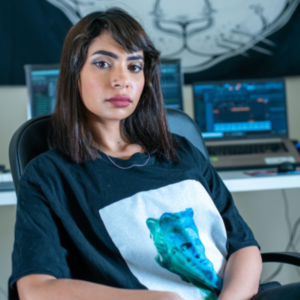
Intibint (Yemen/UK)
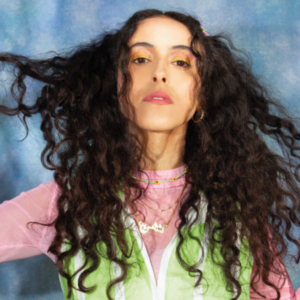
Intibint is a Yemeni-British singer and producer who combines acoustic instrumentation, Arabic percussion, and contemporary R&B to explore mixed identity.
essential tracks: “Calling Me”, “Short Stay”, “I Used To Dream”
key milestones: Operating under a stage name that translates directly to “You’re a girl” in Arabic, she recorded her debut EP independently, gaining placement on global editorial playlists dedicated to emerging Middle Eastern talent.
Myriam Shehab (Lebanon)
Beirut-based vocalist, producer, and sound designer Myriam Shehab operates within the region’s electronic and ambient underground music circuits.
essential tracks: “Whisper Loop”, “Glass Walls”, “Haram”
key milestones: Her work blends experimental sound design, urban audio samples, and Arabic tonal scales, representing the rising female presence in Middle Eastern electronic music production.
Eliz Murad (Lebanon)
Eliz Murad is an emerging Lebanese vocalist and producer known for her minimalist approach to electronic songwriting, performing in both Arabic and French.
essential tracks: “Reason”, “Layl”, “Hit Refresh”
key milestones: She produces her own audio and visual assets, contributing to Beirut’s self-directed avant-pop scene.
Elyanna (Palestine)
Palestinian artist Elyanna (Elyanna Alshehadeh) was born in Nazareth and later relocated to San Diego, California. Signed to SalXCO and Universal Music Group through XO Records, she blends Arabic vocal ornaments with global pop, Latin, and R&B styles.
essential tracks: “Ghareeb Alay”, “Ana Lahale”, “Mama Eh”
key milestones: In 2023, she made music history by becoming the first artist to perform a full set in Arabic at the Coachella Valley Music and Arts Festival in California.