Long before streaming thumbnails reduced album artwork to a tiny square on a phone screen, record sleeves were physical objects with their own cultural weight. Across the 1960s, 70s and 80s, album covers became part of the identity of a musician, a band and sometimes an entire scene.
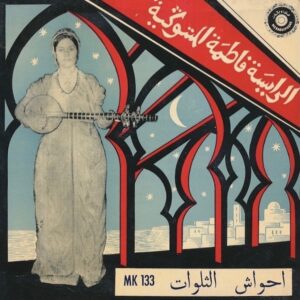
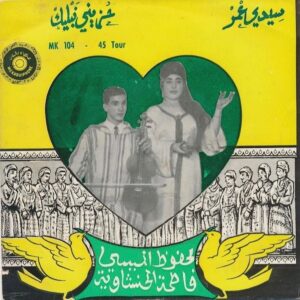
In Morocco, record labels transformed sleeves into vibrant works of graphic design, blending photography, illustration, typography and colour into some of the most distinctive visual artefacts in North African music history.
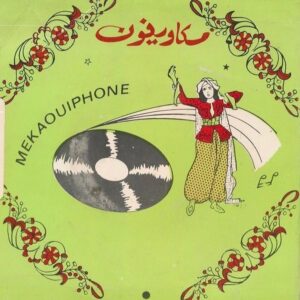
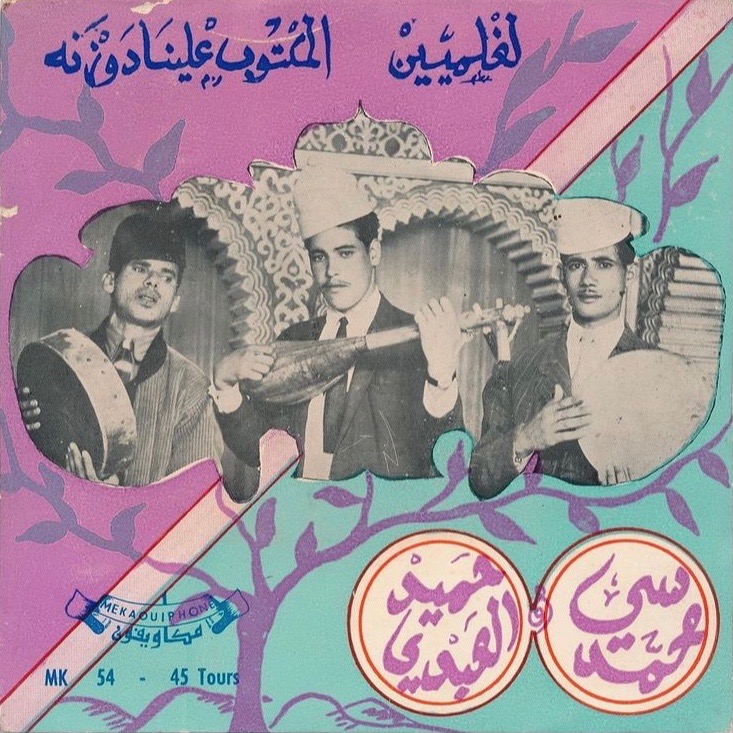
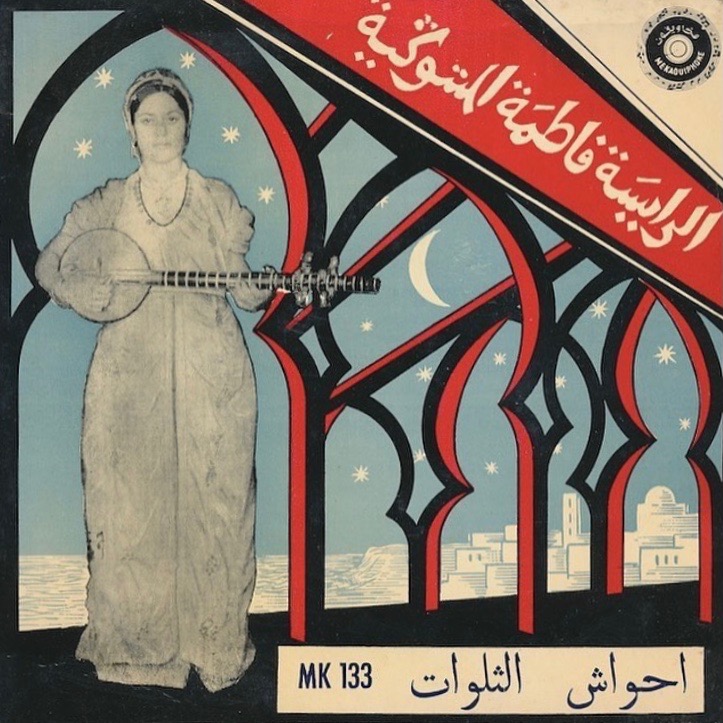
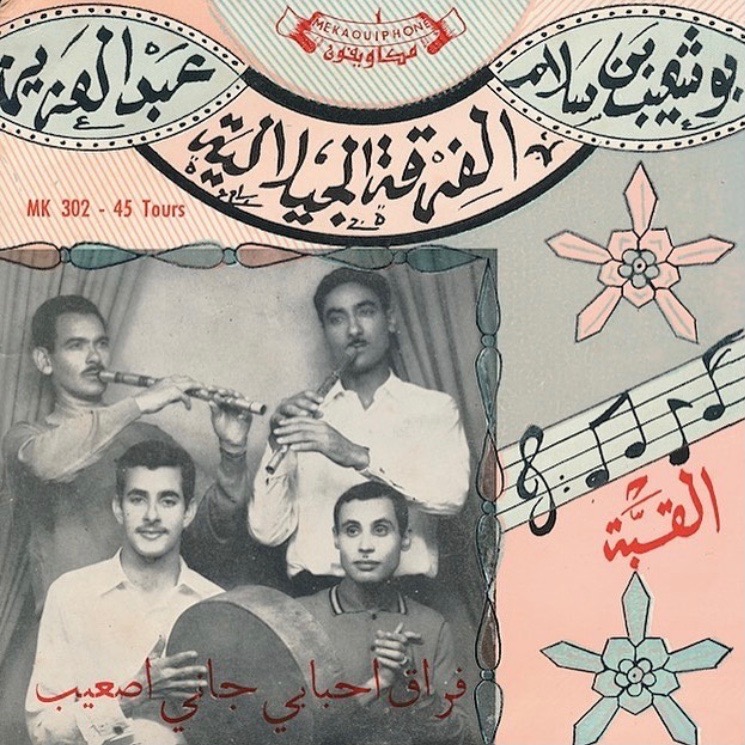
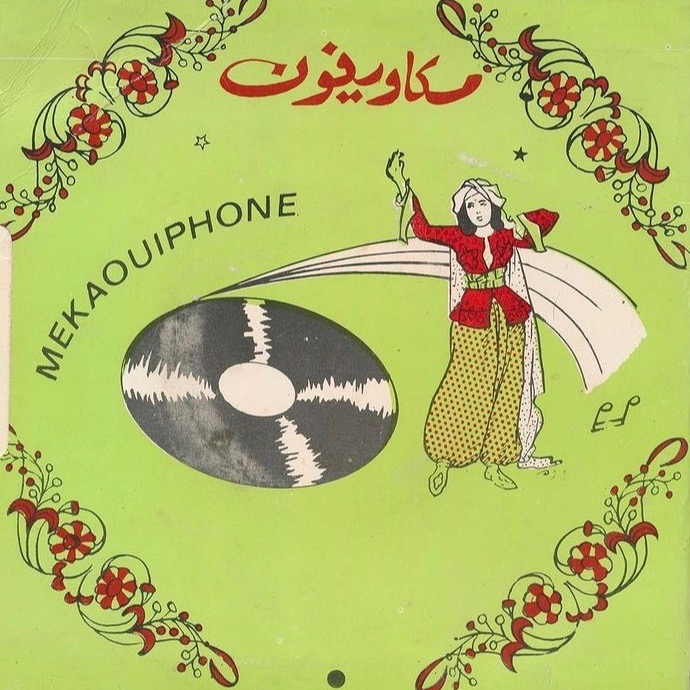
One label in particular continues to fascinate vinyl collectors, music historians and design enthusiasts: Mekaouiphone, a Casablanca-based Moroccan record company whose sleeve designs helped define a unique visual language during the country’s post-independence musical boom.
Many of these striking covers have found a new audience thanks to the archival work of Habibi Funk, the Berlin-based label dedicated to preserving and reissuing overlooked music from across the Arab world. Research into Morocco’s forgotten vinyl culture has also helped shine a light on the visual artistry that surrounded the records themselves.
When record sleeves became part of the music
The earliest record sleeves existed for practical reasons. They protected fragile vinyl and provided basic information about the artist and release.
As popular music expanded commercially during the second half of the twentieth century, record sleeves became far more than packaging. Record labels recognised that sleeves could communicate personality, aspiration and cultural identity before a listener even placed a needle on the record.
In Morocco, that transformation produced some extraordinary results.
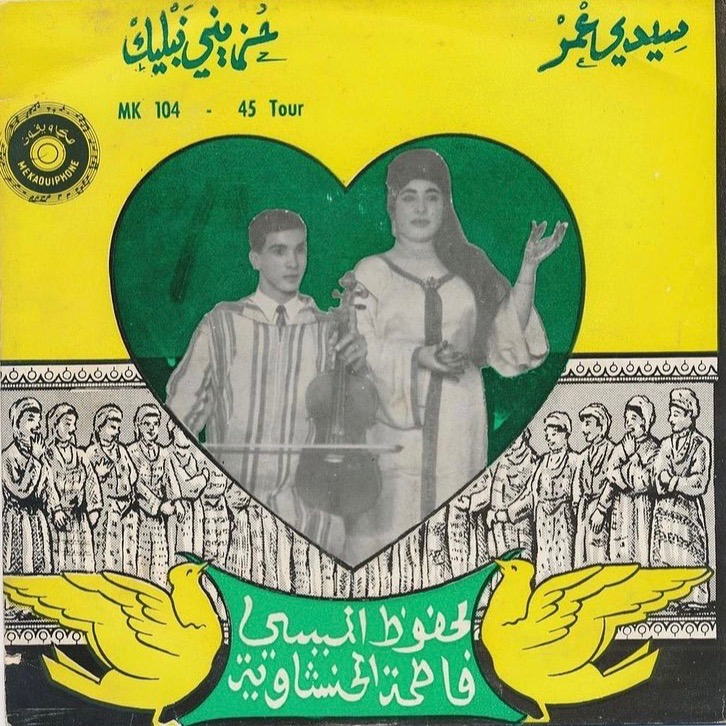
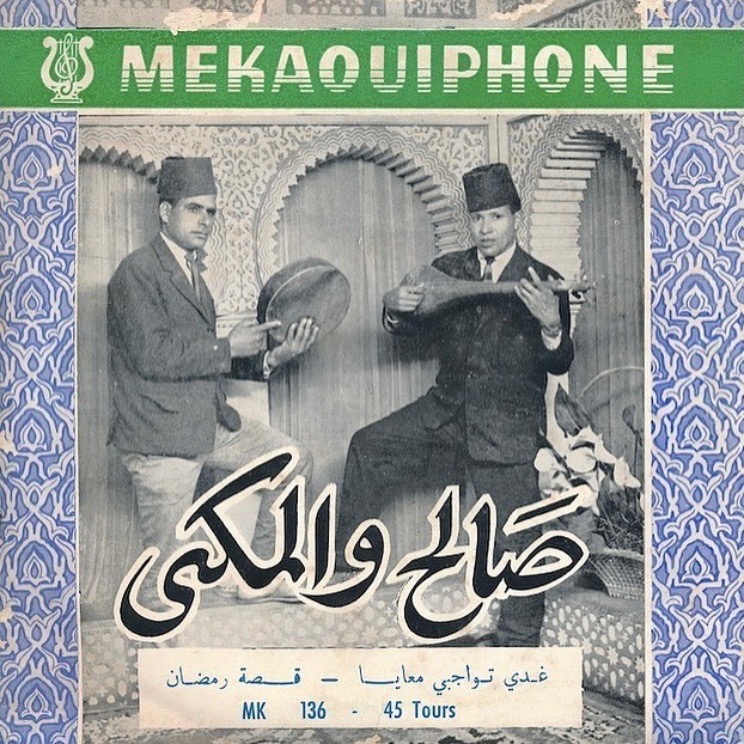
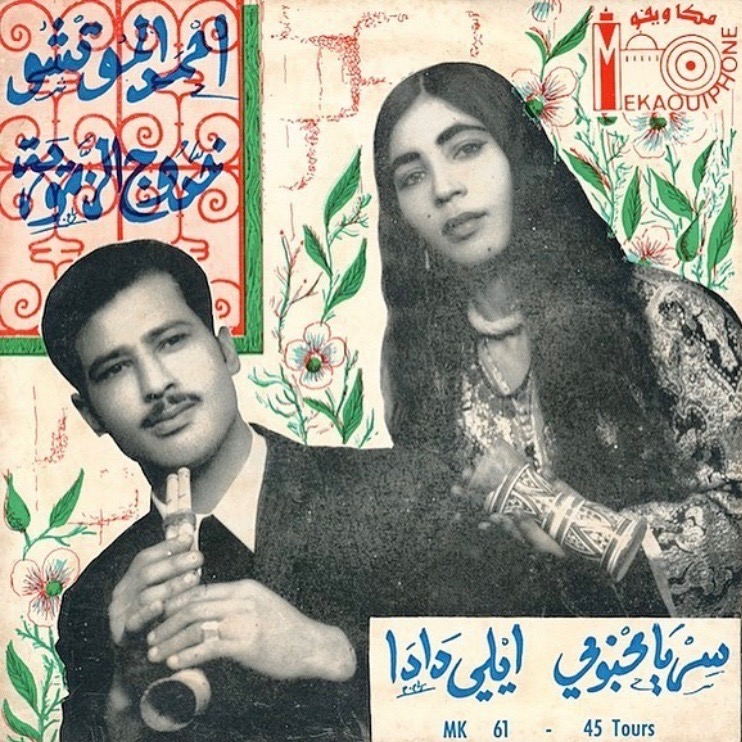
Rather than following a single visual formula, many Moroccan labels embraced experimentation. Portrait photography sat alongside geometric graphics, hand-drawn illustrations, psychedelic colour palettes and bold typography. The result was artwork that often felt as adventurous as the music itself.
Mekaouiphone and the Casablanca design aesthetic
Among collectors, Mekaouiphone remains one of the most visually celebrated Moroccan labels of the era.
Operating from Casablanca, the company also distributed releases from other labels, helping establish a recognisable visual presence across Morocco’s growing recorded music market.
The label’s sleeve designs have gained renewed attention through collectors, archivists and researchers documenting North Africa’s vinyl history.
Habibi Funk described the label’s visual identity in particularly vivid terms:
“Mekauiphone from Morocco is another company whose artworks were incredible. The label operated from Casablanca and also served as a distribution for other labels such as Philips, Disque Fan El Hayat and others. Their artworks are a melange of photography, illustrations, graphic patterns and bold colors, fused together into a uniquely outstanding visual identity.”
Source: Habibi Funk Instagram Archive
That combination of photography, collage, illustration and colour gave many Moroccan releases an instantly recognisable aesthetic. While Western sleeve design trends certainly influenced parts of the industry, Moroccan artwork often developed its own visual character rooted in local culture, fashion and graphic traditions.
A visual reflection of Morocco’s musical crossroads
The sleeves made sense because the music itself was rarely confined to one style.
Throughout the 1960s and 70s, Moroccan artists absorbed influences from funk, soul, rock, jazz, chaabi, gnawa and traditional regional music. Those sounds frequently collided on the same record.
Writers documenting Morocco’s musical history have repeatedly highlighted this period as one of creative fusion and experimentation.
Artists such as Fadoul became known for blending Moroccan musical traditions with influences drawn from artists including James Brown. Habibi Funk founder Jannis Stürtz has described discovering Fadoul’s records in Casablanca as one of the key moments that inspired the creation of the label itself.
The sleeves reflected that same hybrid energy.
Some covers looked futuristic. Others felt rooted in local visual traditions. Many appeared completely detached from the dominant sleeve design trends emerging from London, New York or Los Angeles.
Why collectors are obsessed with Moroccan sleeves today
Part of the appeal comes from rarity.
Many original Moroccan pressings were produced in relatively small quantities compared with releases from major Western markets. Decades later, surviving copies have become highly sought after by collectors.
The artwork adds another layer of fascination.
Unlike many corporate sleeve designs from Europe and North America, Moroccan covers often feel less constrained by commercial design rules. They can appear playful, surreal, experimental and deeply human all at once.
For vinyl enthusiasts, they offer something increasingly difficult to find in the streaming era: artwork designed to be held, examined and experienced as part of the music itself.
The renewed interest in North African design culture
The resurgence of vinyl has helped introduce a new generation of listeners to these overlooked visual histories.
Labels such as Habibi Funk have spent years tracking down artists, families and rights holders across North Africa and the Middle East to preserve recordings that might otherwise have disappeared. Their releases frequently include extensive liner notes, photography and archival material that provide context for both the music and its visual culture.
That work has encouraged broader interest in the design history surrounding these records.
What began as niche collector culture has gradually become part of a wider conversation about preserving creative heritage across the region.
The sleeves are no longer viewed simply as packaging. They are historical documents, design objects and snapshots of a moment when Morocco’s music industry was building its own visual identity alongside its sound.