Phil Collins’ Studio Albums Ranked by Impact & Sales (Ultimate Guide 2026)

His Best Solo Albums of All Time

Phil Collins’ solo career wasn’t a side project. It reshaped 1980s pop, blurred the line between adult contemporary and MTV-era chart dominance, and produced some of the most commercially successful albums of all time. This ranking balances cultural impact, sales, critical standing, and long-term relevance.

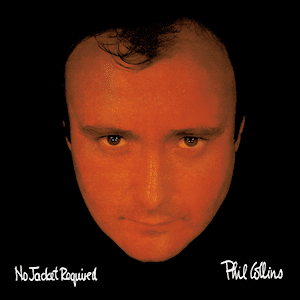
1. No Jacket Required (1985)

The album that turned Phil Collins into the defining pop artist of the mid-80s.

Approx. 25 million copies sold worldwide
UK: 6× Platinum
US: Diamond (12× Platinum)

No Jacket Required dominated radio, MTV, and charts on both sides of the Atlantic. It won three Grammy Awards, including Album of the Year, and delivered hits like Sussudio and One More Night, cementing Collins’ commercial peak.

Lesser-Known Fact:
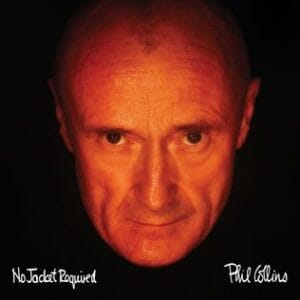
The cover photo by Peter Ashworth features a straightforward portrait of Collins, contrasting with the stylised, MTV-era artwork typical of the mid-80s. Production-wise, Collins used extensive drum machines and sequencers, shaping the signature polished 80s pop sound.

Must-hear:

  • Sussudio
  • One More Night
  • Don’t Lose My Number
  • Take Me Home

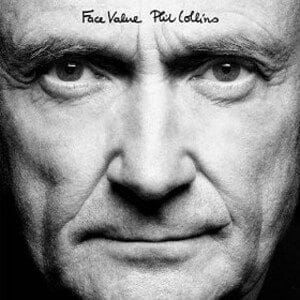
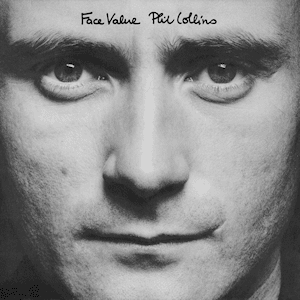
2. Face Value (1981)

A debut that redefined emotional honesty in mainstream pop.

Approx. 12 million copies sold worldwide
UK: 5× Platinum
US: 5× Platinum

Few debut albums land with this kind of impact. Face Value introduced the now-legendary gated reverb drum sound and proved Collins could step out of Genesis with confidence. Its raw emotional tone, especially around divorce and vulnerability, helped it stand out on the early 80s pop scene.

Lesser-Known Fact:
Much of Face Value was recorded during breaks from Genesis, showing Collins’ ability to balance band and solo work. In the Air Tonight was written years before the album and offered to Genesis, who opted not to develop it, leaving it to become his breakout solo hit.

Must-hear:

  • In the Air Tonight
  • I Missed Again
  • If Leaving Me Is Easy
  • This Must Be Love

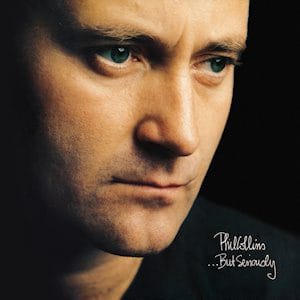
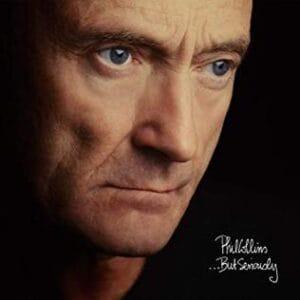
3. …But Seriously (1989)

When global pop stardom met social conscience.

Approx. 10 million copies sold worldwide
UK: 3× Platinum
US: 4× Platinum

Often overlooked due to the success of its predecessor, …But Seriously tackled homelessness and social responsibility while producing massive singles. It showed Collins could handle serious themes without losing mass appeal.

Lesser-Known Fact:
The album features a straightforward portrait cover that matched the serious tone of tracks like Another Day in Paradise. Its themes and lyrics reflected Collins’ observations of contemporary social issues, particularly homelessness in London.

Must-hear:

  • Another Day in Paradise
  • I Wish It Would Rain Down
  • Something Happened on the Way to Heaven
  • Do You Remember?

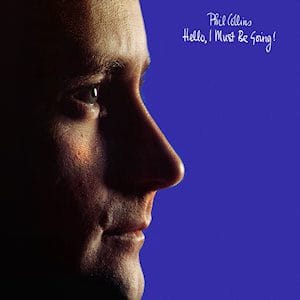
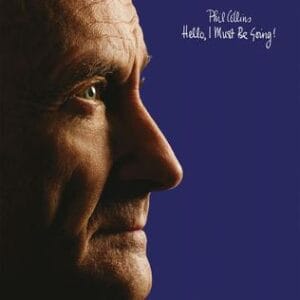
4. Hello, I Must Be Going! (1982)

The album that confirmed Phil Collins wasn’t a one-album wonder.

Approx. 7 million copies sold worldwide
UK: 4× Platinum
US: 3× Platinum

This record cemented Collins’ solo identity. While some critics considered it transitional, audiences embraced it. His cover of You Can’t Hurry Love topped the UK chart and reached the US Top 10, showing his ability to blend Motown influences with modern pop.

Lesser-Known Fact:
Collins recorded much of the album while touring with Genesis, balancing band duties with his solo career. The album includes several covers alongside originals, highlighting his ability to maintain a distinctive solo sound without leaving Genesis entirely. The title reflects Collins’ playful sense of humour.

Must-hear:

  • You Can’t Hurry Love
  • I Don’t Care Anymore
  • Thru These Walls
  • Don’t Let Him Steal Your Heart Away
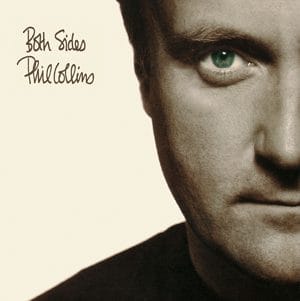
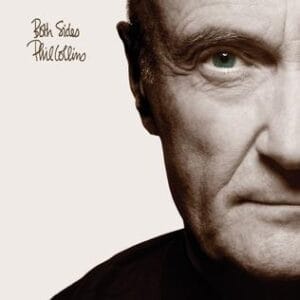
5. Both Sides (1993)

A deeply personal album that divided critics and fans.

Approx. 6 million copies sold worldwide
UK: 3× Platinum
US: 2× Platinum

Recorded almost entirely by Collins alone, Both Sides stripped back the gloss in favour of introspection. Its darker tone and minimal production marked a clear break from his 80s dominance.

Lesser-Known Fact:
Collins played nearly every instrument on the album, including drums, keyboards, and guitars. He also used digital drum programming extensively, reinforcing the introspective, self-contained nature of the project.

Must-hear:

  • Both Sides of the Story
  • Can’t Turn Back the Years
  • We Wait and We Wonder
  • Everyday

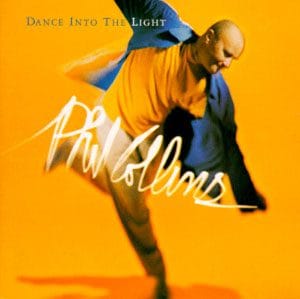
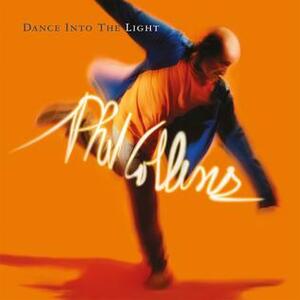
6. Dance into the Light (1996)

An upbeat reset that struggled against changing musical tastes.

Approx. 4 million copies sold worldwide
UK: 2× Platinum
US: Platinum

Released during the rise of Britpop and alternative rock, the album leaned into rhythm, optimism, and world-music influences. While commercially solid, it marked the point where Collins’ mainstream dominance began to fade.

Lesser-Known Fact:
Recorded immediately following his final Genesis tour, it was Collins’ first post-tour solo album. “It’s in Your Eyes” was among the first tracks fully recorded and mixed digitally, reflecting the shift in studio technology.

Must-hear:

  • Dance into the Light
  • It’s in Your Eyes
  • Wear My Hat
  • Lorenzo

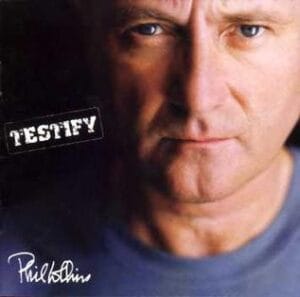
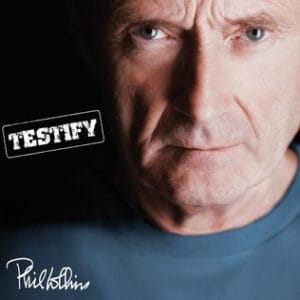
7. Testify (2002)

A reflective, late-career album with modest impact.

Approx. 3 million copies sold worldwide
UK: Platinum
US: Gold

Critically lukewarm, Testify nevertheless found appreciation among long-time fans. It reflected an artist no longer chasing charts but focused on mature, personal songwriting.

Lesser-Known Fact:
Recorded in Collins’ home studio in Switzerland, the album was produced with a deliberate focus on introspection and modesty, rather than commercial appeal.

Must-hear:

  • Testify
  • Wake Up Call
  • Can’t Stop Loving You
  • Don’t Get Me Started

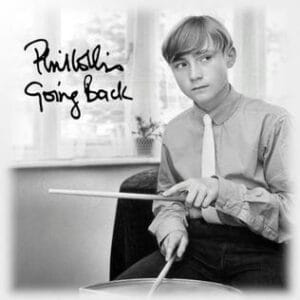
8. Going Back (2010)

A love letter to Motown, not a pop comeback.

Approx. 1 million copies sold worldwide
UK: Gold
US:

Collins revisited the soul records of his youth, covering classics from The Supremes, Stevie Wonder, and others.

Lesser-Known Fact:
He reunited with several original Motown session musicians and recorded the album intermittently over three years, prioritising authenticity over chart ambition. Collins stated it was a personal project, not intended for commercial success.

Must-hear:

  • Love Is Like a Heatwave
  • Papa Was a Rollin’ Stone
  • Going Back
  • Standing in the Shadows of Love

Important catalogue note on remasters

As part of the 2016 “Take A Look At Me Now” campaign, Collins re-recorded lead vocals on several tracks across his solo catalogue, including material from Face Value, No Jacket Required and …But Seriously.
He stated this was done to address performances he was no longer satisfied with. The decision remains divisive among fans and critics and applies only to the remastered editions, not original pressings.

And finally…

Phil Collins’ solo catalogue is one of the most commercially successful in modern music history, with over 100 million records sold worldwide across solo work. More importantly, it shaped how pop music sounded, looked, and felt during the MTV era and beyond. Whether stripped-back and confessional or glossy and radio-ready, his best albums remain reference points for artists across genres.

Scroll to Top