
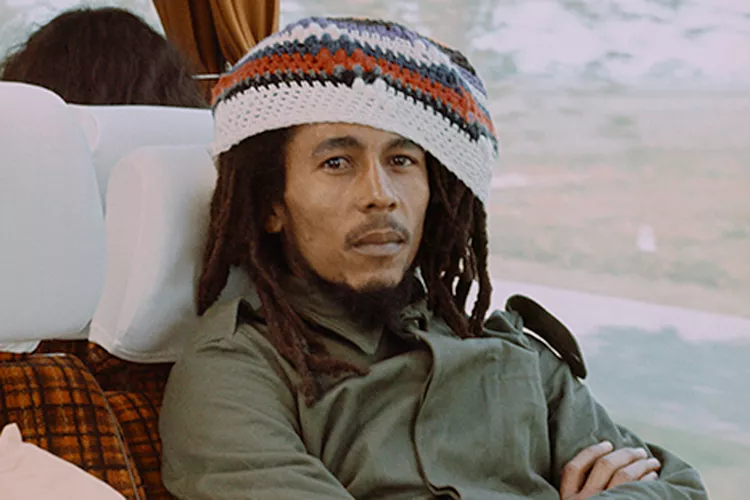
On May 11, 1981, Robert Nesta Marley died in Miami at the age of 36, bringing an abrupt end to one of the most influential careers in music history.
Forty-five years later, Bob Marley remains one of the few artists whose legacy genuinely transcends genre. Reggae was the vehicle, but the reach was global. His records travelled from Kingston sound systems to rock radio, student bedrooms, political rallies, football terraces and festival fields, turning a distinctly Jamaican artform into an international language.
By the time of his death, Marley had become far more than a musician. He was Jamaica’s most recognisable cultural figure, a symbol of resistance and spirituality, and one of the first artists from outside the US and UK to achieve true worldwide superstardom without compromising his identity.
Born in Nine Mile, Saint Ann Parish, Jamaica, in 1945, Marley emerged during the ska and rocksteady explosion of the 1960s before helping shape reggae into something sharper, heavier and more politically charged through The Wailers alongside Peter Tosh and Bunny Wailer.

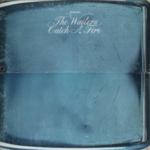
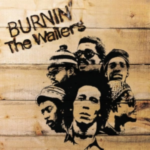
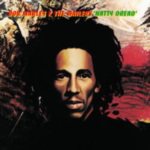
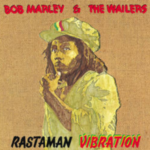
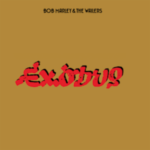
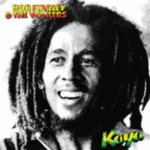
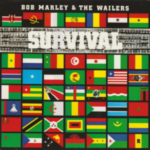
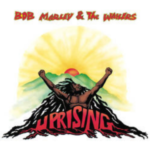
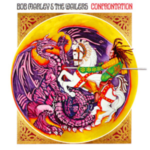
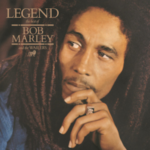
Albums such as Catch a Fire and Burnin’ introduced reggae to a rock audience in the early 1970s, but it was Exodus that cemented Marley’s place in music history. Written partly during his self-imposed exile in London after surviving an assassination attempt in Jamaica, the album blended political unrest with romance, spirituality and survival. Time magazine later named it the greatest album of the 20th century.
The songs themselves became part of modern culture. No Woman, No Cry remains one of the defining live recordings of the 1970s. One Love became a universal anthem for peace and unity. Get Up, Stand Up still appears on protest playlists around the world, while Redemption Song, recorded near the end of his life, stripped everything back to voice, guitar and message.
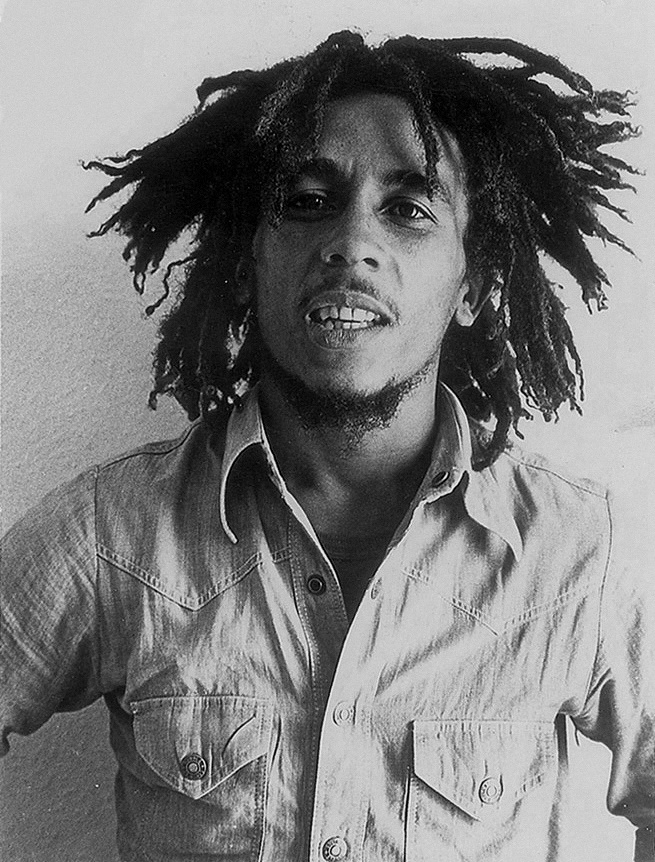
Marley’s death came after a battle with acral lentiginous melanoma, a rare cancer first discovered beneath his toenail in 1977. According to several biographies and interviews with those close to him, Marley initially resisted amputation for religious and personal reasons, continuing to record and tour even as his health deteriorated.
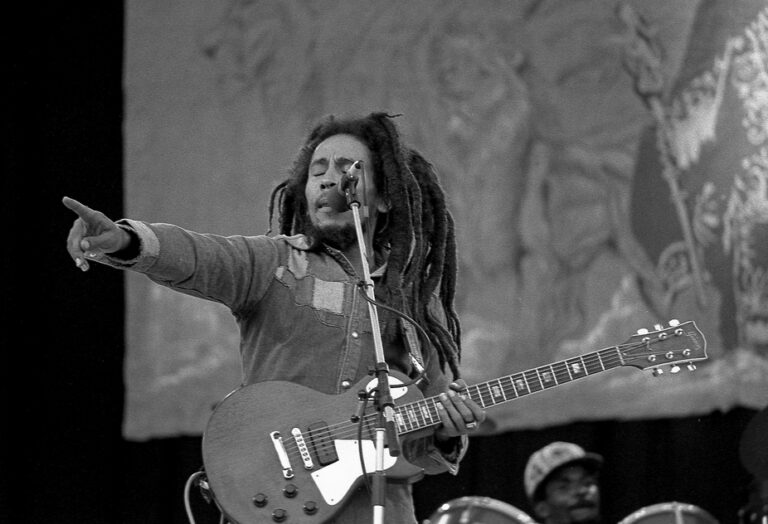
His final performance took place in Pittsburgh on 23 September 1980 during the Uprising Tour. Audience recordings from the show carry an eerie weight now, particularly during performances of Redemption Song and Jammin’, where Marley already looked visibly unwell but remained fiercely committed to performing.
The commercial impact of Marley’s catalogue only intensified after his death. Legend became one of the best-selling greatest hits albums ever released and remains a gateway record for listeners discovering reggae for the first time. His influence can now be heard everywhere from hip-hop and Afrobeat to punk, reggaeton and modern pop.
Artists including Lauryn Hill, Kendrick Lamar, Rihanna and Burna Boy have all cited Marley as an influence, not just musically, but philosophically.
That is ultimately what keeps his music alive decades later. Marley was never selling escapism alone. Beneath the warmth of the grooves and the accessibility of the hooks sat songs about colonialism, inequality, faith, violence, freedom and Black identity.
Forty-five years after his death, Bob Marley’s records continue to circulate through everyday life in a way most artists can only dream of. Not as museum pieces or heritage acts, but as living music.
| Studio albums | 13 |
|---|---|
| Soundtrack albums | 2 |
| Live albums | 6 |
| Compilation albums | 9 |
| Singles | 133 |
| Video albums | 2 |
| Music videos | 32 |
| Remix albums | 10 |
| Box sets | 11 |
Main photo credit: Kate Simon