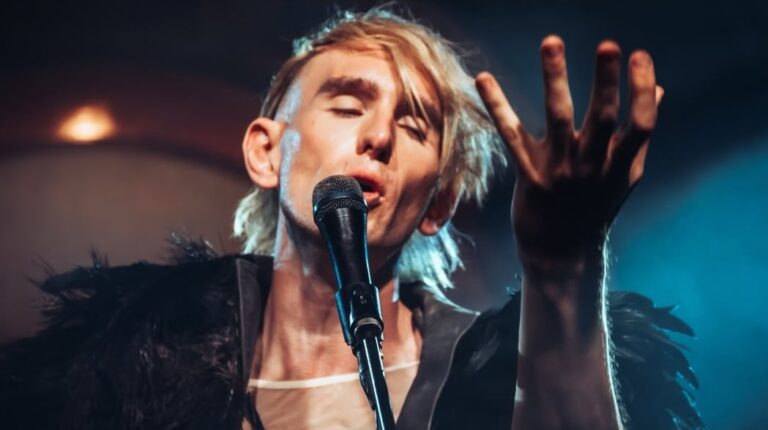
Patrick Wolf has never been an easy artist to categorise. Across seven studio albums released between 2003 and 2025, Wolf fused folktronica, baroque pop, cabaret, chamber music, glam rock and electronic experimentation into a catalogue that often felt completely detached from whatever was commercially fashionable at the time.
This ranking is not chronological. It is based on a combination of critical reputation, cultural impact, fan consensus, musical ambition, songwriting consistency, chart performance and long-term legacy within alternative British music. Commercially, Patrick Wolf never became a mainstream chart giant, but his influence on theatrical indie-pop, queer artistry and genre-fluid songwriting has become increasingly clear over time.
From the fractured emotional landscapes of Lycanthropy to the recovery and folklore-driven rebirth of Crying the Neck, his catalogue remains one of the most distinctive bodies of work to emerge from British alternative music in the 21st century.
7. Sundark And Riverlight (2012)
Approx sales: Under 25,000
Best song: “Time Of My Life” (its stripped-back arrangement reveals the emotional core of the songwriting)
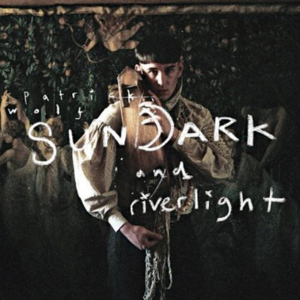
Technically a studio album, Sundark and Riverlight is better understood as a reimagining of Patrick Wolf’s earlier catalogue. Released to mark ten years of his career, the double album features acoustic reinterpretations of older material rather than entirely new songs.
Pitchfork described Wolf’s approach as “maximalism,” noting how even his quieter arrangements still carried dramatic scale and theatrical intent.
The album arrived during a difficult period personally and professionally. Wolf later suggested it functioned partly as a creative reset following tensions around the more commercial direction of Lupercalia. While not essential as an entry point, it provides insight into the strength of the songwriting underneath the elaborate production of his earlier work.
6. The Bachelor (2009)
Approx sales: 50,000–80,000
UK chart: No. 49
Best song: “Hard Times” (its dramatic tension and emotional collapse capture the album’s atmosphere perfectly). The runner-up is “Vulture”.
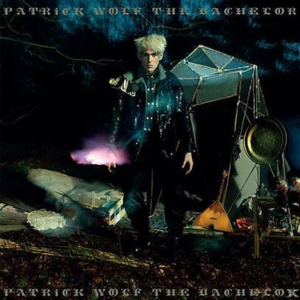
Originally conceived as part of an ambitious double-album project titled Battle, The Bachelor arrived darker, heavier and more chaotic than its predecessor The Magic Position.
The album featured contributions from Tilda Swinton and actress-clown duo Cirkus Cirkör, while its production veered between industrial electronics, orchestral drama and violent emotional shifts.
Wolf later admitted the period surrounding the album was turbulent. Themes of identity, masculinity and emotional instability run throughout the record, particularly on tracks like “Count of Casualty” and “Battle.”
Its reputation has grown considerably over time among fans who prefer his more abrasive and experimental side.
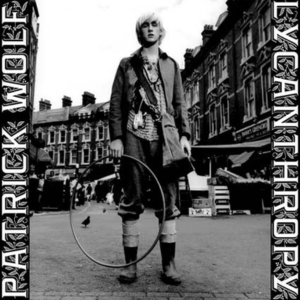
5. Lycanthropy (2003)
Approx sales: 30,000–50,000
Best song: “To The Lighthouse” (the album’s strongest collision of folk instrumentation and emotional urgency)
Patrick Wolf was just 20 when Lycanthropy arrived, but the ambition already felt enormous.
Pitchfork described him as a “neo-Dickensian laptop minstrel” whose debut fused harp, viola, harpsichord and aggressive electronics into something genuinely unusual.
The album’s themes drew heavily from folklore, sexuality, adolescence and transformation. Wolf was openly influenced by author Angela Carter, particularly her fascination with myth, eroticism and metamorphosis.
At a time when early-2000s British indie was dominated by garage rock revivalism, Lycanthropy felt entirely disconnected from prevailing trends. That isolation helped establish its later cult status.
4. Crying The Neck (2025)
Approx sales: Early estimates 20,000–40,000
Best song: “Hymn Of The Haar” (one of the most emotionally devastating songs of his career)
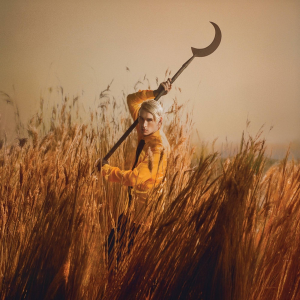
Released after a 13-year gap between full-length albums, Crying the Neck marked a major creative and personal return.
The album emerged after years marked by addiction, bankruptcy, grief and recovery. Wolf relocated from London to Ramsgate in Kent, drawing inspiration from coastal folklore, English harvest rituals and personal loss.
The title references an old Devon and Cornwall harvest tradition. Musically, the album reconnects with the folktronica and chamber-pop textures of his earlier work while sounding more mature and cohesive.
Critics responded strongly. Metacritic listed the album in “universal acclaim” territory, while The Quietus called it “cathartic, erudite, and complex.”
NARC Magazine described it as “a remarkable collection of songs which may be Wolf’s best stand-alone work to date.”
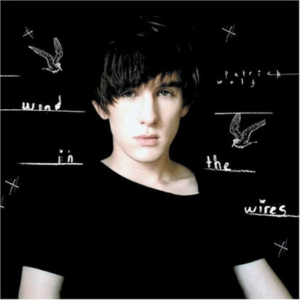
3. Wind In The Wires (2005)
Approx sales: 60,000–100,000
Best song: “The Libertine” (arguably the definitive Patrick Wolf song)
Written partly during a turbulent period living in Cornwall, Wind in the Wires expanded Patrick Wolf’s sound dramatically. Folk instrumentation remained central, but the emotional scale became far grander and more cinematic.
A 2025 review in The Guardian described the album as “folk and piano-led reveries, troubled by staticky electronics,” while also noting its lasting cult reputation among fans.
Tracks like “Teignmouth” and “Land’s End” rooted his songwriting in distinctly British geography and atmosphere in ways few artists from the mid-2000s indie scene attempted.
The album also cemented his relationship with queer storytelling and emotional vulnerability without flattening either into cliché.
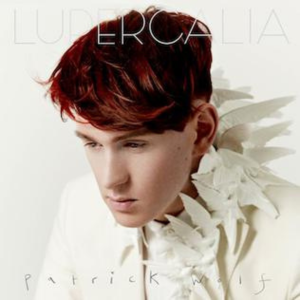
2. Lupercalia (2011)
Approx sales: 40,000–60,000
UK chart: No. 37
Best song: “The City” (the clearest balance between his experimental instincts and pop songwriting). A close second is “Time OF My Life”.
Named after the ancient Roman fertility festival, Lupercalia represented Patrick Wolf’s most accessible and openly romantic album. Sonically brighter than much of his earlier work, it leaned into synth-pop and dance-pop textures while retaining his layered arrangements.
Critics were divided. Some praised its melodic confidence, while others felt the polish softened the tension that made his earlier records so compelling. Years later, Pitchfork noted that Wolf himself had complicated feelings about the album, describing it as associated with “management and A&R troubles.”
Commercially, it became one of his highest-charting releases in the UK, but culturally it has remained one of his most debated records.
1. The Magic Position (2007)
Approx sales: 100,000–150,000 (20,400 UK sales)
UK chart: No. 46
Best song: “The Magic Position” (the perfect synthesis of theatricality, pop immediacy and emotional release). Closely followed by “Magpie” which features a collaboration with Marianne Faithfull.
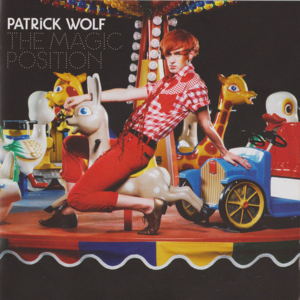
Patrick Wolf never made another album quite like The Magic Position.
Brighter, louder and more immediate than his previous work, the album transformed his baroque experimentation into something unexpectedly euphoric without losing complexity. Tracks like “Accident & Emergency,” “Bluebells” and the title track balanced queer romance, anxiety and theatrical pop instincts with unusual confidence.
The album became his breakthrough moment critically and culturally, earning extensive coverage across UK music press and pushing him beyond cult status into wider indie recognition.
It also arrived during a period when alternative British music was opening up stylistically. While many indie acts remained rooted in guitar minimalism, Patrick Wolf embraced maximalism completely.
That willingness to overreach became part of the album’s appeal.
Even now, nearly two decades later, The Magic Position remains the clearest entry point into his catalogue and the record most closely associated with his artistic identity.
| Studio albums | 7 |
|---|---|
EPs: The Patrick Wolf EP (2002), The Spinster EP (2009), Lemuralia EP (2011), Brumalia EP (2011), The Night Safari EP (2023), The Last of England EP (2025), Better or Worse EP (2025) | 7 |
| Singles | 14 |
| Music videos | 15 |
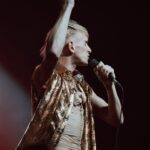
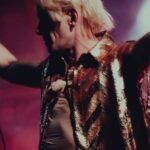
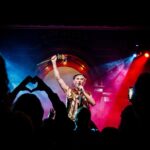
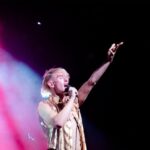
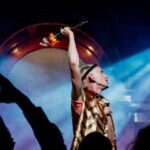
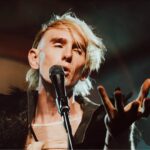
Photos: erinrussellphotography [Instagram]
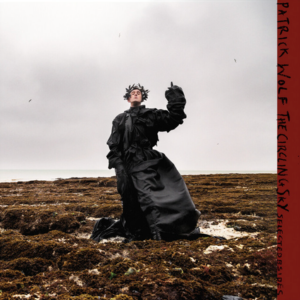
Beyond The Studio Albums: The Circling Sky (Selected B-Sides) (2023)
Approx sales: Unknown (limited edition release)
Best song: Godrevy Point (one of Patrick Wolf’s most beloved non-album songs and a fan favourite for nearly two decades)
While often grouped alongside Patrick Wolf’s album catalogue on streaming platforms, The Circling Sky (Selected B-Sides) is not considered a studio album. Instead, it is a curated compilation of B-sides, rarities and non-album recordings spanning multiple phases of Wolf’s career. Released in December 2023 through his Apport label, the collection brought together long-sought tracks including Godrevy Point, Penzance, Night Train, Empress and Pumpkin Soup, many of which had previously only been available through limited releases or hard-to-find formats.
The collection arrived during the period leading up to Crying the Neck and acted as both a retrospective and a bridge to Wolf’s next chapter. According to the release notes, Wolf personally curated the tracklisting and had the collection mastered at Abbey Road Studios by Alex Wharton. Critics and fans welcomed the release as an important archival project that highlighted the strength of material that had often sat outside his main studio albums. For long-time listeners, The Circling Sky serves as an alternative map of Patrick Wolf’s creative journey, revealing that some of his finest songs were never originally intended for an album at all.